
Texas commercial buildings face persistent pest challenges including cockroaches, rodents, termites, ants, and flies due to the state’s warm climate and urban density. Effective prevention combines regular inspections, structural maintenance, sanitation protocols, and professional integrated pest management (IPM) strategies to protect property value, ensure health code compliance, and maintain business reputation.
What are the most common pests in Texas commercial buildings? The primary pests affecting Texas commercial properties are German cockroaches, Norway rats, roof rats, subterranean termites, fire ants, and filth flies. Prevention requires integrated pest management combining exclusion, sanitation, moisture control, regular inspections, and targeted treatments to eliminate entry points and food sources while maintaining compliance with health regulations.
Why Texas Commercial Buildings Are Vulnerable to Pest Infestations
Texas presents unique pest management challenges for commercial property owners. The state’s subtropical to semi-arid climate, extended warm seasons, rapid urban development, and diverse ecosystems create ideal conditions for year-round pest activity.
Commercial buildings—including restaurants, warehouses, office complexes, healthcare facilities, and retail spaces—offer pests three critical survival elements: shelter, food, and water. Unlike residential properties, commercial structures often feature complex HVAC systems, multiple entry points, high traffic volumes, and varied operational activities that inadvertently facilitate pest access and harborage.
Risk Factors Specific to Texas Commercial Properties
- Climate conditions: Mild winters allow pest populations to survive year-round rather than experiencing seasonal die-offs
- Urban heat islands: Major cities like Houston, Dallas, Austin, and San Antonio create warmer microclimates that accelerate pest reproduction
- Construction gaps: Rapid commercial development sometimes results in structural vulnerabilities
- High humidity zones: Coastal and eastern regions provide moisture that attracts moisture-dependent pests
- Agricultural proximity: Rural-adjacent commercial areas face pressure from field pests seeking indoor shelter
The 5 Most Common Pests in Texas Commercial Buildings
1. Cockroaches (German and American Species)
Identification: German cockroaches (light brown, ½ inch) and American cockroaches (reddish-brown, 1-2 inches) are the predominant species in Texas commercial settings.
Why They’re Problematic: Cockroaches contaminate food preparation areas, trigger allergies and asthma, carry pathogens including Salmonella and E. coli, and reproduce rapidly—a single German cockroach female can produce 30,000 offspring annually.
High-Risk Areas: Restaurant kitchens, break rooms, food storage areas, bathrooms, mechanical rooms, and areas with plumbing penetrations.
Prevention Strategies:
- Seal cracks and crevices around baseboards, pipes, and electrical conduits with silicone caulk
- Eliminate standing water and repair leaking pipes, faucets, and HVAC condensation lines
- Implement strict sanitation protocols including nightly cleaning of food debris
- Store food in sealed, pest-proof containers made of metal or heavy plastic
- Schedule professional gel baiting and growth regulator applications in harborage areas
2. Rodents (Norway Rats and Roof Rats)
Identification: Norway rats (ground-dwelling, 7-10 inches) burrow at ground level, while roof rats (arboreal, 6-8 inches) access buildings through upper-level entry points.
Why They’re Problematic: Rodents gnaw through electrical wiring (creating fire hazards), contaminate inventory with urine and feces, damage insulation and structural materials, and transmit diseases including leptospirosis and hantavirus.
High-Risk Areas: Loading docks, storage rooms, drop ceilings, wall voids, areas near dumpsters, and poorly sealed exterior entry points.
Prevention Strategies:
- Install door sweeps on all exterior doors with maximum ¼-inch gap tolerance
- Seal openings larger than ¼ inch using steel wool, copper mesh, or metal flashing
- Maintain 18-24 inch clearance between stored materials and walls to eliminate harborage
- Trim tree branches to at least 6 feet from building perimeters
- Implement exterior bait stations monitored by licensed professionals
- Store refuse in rodent-proof containers with tight-fitting lids
3. Subterranean Termites
Identification: Formosan and native subterranean termites are the primary wood-destroying insects in Texas, identifiable by mud tubes on foundations and discarded wings near entry points.
Why They’re Problematic: Termites cause an estimated $5 billion in property damage annually nationwide, with Texas experiencing particularly aggressive Formosan termite populations in Houston and coastal areas. Damage often goes undetected until structural compromise occurs.
High-Risk Areas: Foundation perimeters, wooden structural supports, areas with soil-to-wood contact, moisture-damaged wood, and mulched landscaping adjacent to buildings.
Prevention Strategies:
- Eliminate soil-to-wood contact by maintaining 6-inch clearance between soil and wooden structures
- Install proper drainage systems to divert water away from foundations
- Repair water leaks immediately to prevent moisture accumulation
- Remove wooden debris, stumps, and excess mulch from building perimeters
- Schedule annual professional termite inspections with licensed structural pest control operators
- Consider liquid termiticide barriers or bait monitoring systems for high-risk properties
4. Fire Ants (Red Imported Fire Ants)
Identification: Reddish-brown ants (1/8 to ¼ inch) that build distinctive dome-shaped mounds and deliver painful, venomous stings.
Why They’re Problematic: Fire ants damage electrical equipment, HVAC systems, and irrigation controllers; pose liability risks to employees and customers; and create unsightly mounds that detract from professional appearance.
High-Risk Areas: Landscaped areas, parking lots, electrical junction boxes, HVAC units, sidewalk cracks, and areas with consistent moisture.
Prevention Strategies:
- Implement two-step treatment programs combining broadcast bait and individual mound treatments
- Apply granular insecticides during cooler temperatures when ants are actively foraging
- Seal cracks in pavement and foundations where colonies establish
- Reduce irrigation frequency to minimize moist soil conditions
- Monitor electrical equipment housings for ant infiltration
- Maintain vegetation-free zones around building foundations
5. Filth Flies (House Flies and Fruit Flies)
Identification: House flies (¼ inch, gray with four dark stripes) and fruit flies (1/8 inch, tan to black) breed in organic matter and fermenting materials.
Why They’re Problematic: Flies transmit over 100 pathogens, contaminate food surfaces, violate health code regulations, and signal poor sanitation to customers and inspectors.
High-Risk Areas: Kitchens, dumpster enclosures, drains, mop stations, recycling areas, and any location with organic waste accumulation.
Prevention Strategies:
- Clean floor drains weekly with enzymatic cleaners to eliminate breeding sites
- Empty trash receptacles daily and clean containers weekly
- Install air curtains at entry points to prevent fly intrusion
- Eliminate standing water in mop buckets, condensate pans, and drip trays
- Store produce in refrigerated units rather than open display
- Deploy insect light traps positioned away from food preparation zones
- Maintain dumpster enclosures with regular cleaning and tight-fitting lids
Pest Prevention: Best Practices for Texas Commercial Properties
Integrated Pest Management (IPM) Framework
Professional pest control has evolved from reactive chemical treatments to proactive IPM strategies that emphasize prevention, monitoring, and targeted intervention.
Core IPM Components:
- Inspection and Monitoring: Regular facility assessments identify conducive conditions before infestations establish
- Exclusion: Physical barriers prevent pest entry more effectively than chemical treatments alone
- Sanitation: Eliminating food, water, and harborage removes survival resources
- Mechanical Control: Traps, screens, and physical removal reduce populations without chemicals
- Chemical Control: Targeted applications using least-toxic effective products when other methods prove insufficient
Monthly Pest Prevention Checklist
Exterior Inspection:
- Examine foundation perimeter for cracks, gaps, and termite tubes
- Check door seals, weather stripping, and threshold integrity
- Inspect window screens for tears and ensure proper fit
- Verify dumpster placement (minimum 50 feet from building entrances)
- Trim vegetation away from building perimeter
- Inspect roof vents, utility penetrations, and pipe chases
Interior Inspection:
- Check all plumbing fixtures for leaks and standing water
- Inspect floor drains for debris accumulation
- Examine stored inventory for pest damage or droppings
- Verify food storage compliance with sealed container protocols
- Clean behind and beneath equipment where debris accumulates
- Monitor temperature and humidity levels in storage areas
Documentation Requirements:
- Maintain inspection logs with date, areas inspected, and findings
- Photograph pest evidence or conducive conditions
- Record corrective actions and completion dates
- Track pest activity trends to identify emerging problems
- Retain professional service reports for regulatory compliance
Commercial Pest Control: When to Call Professionals
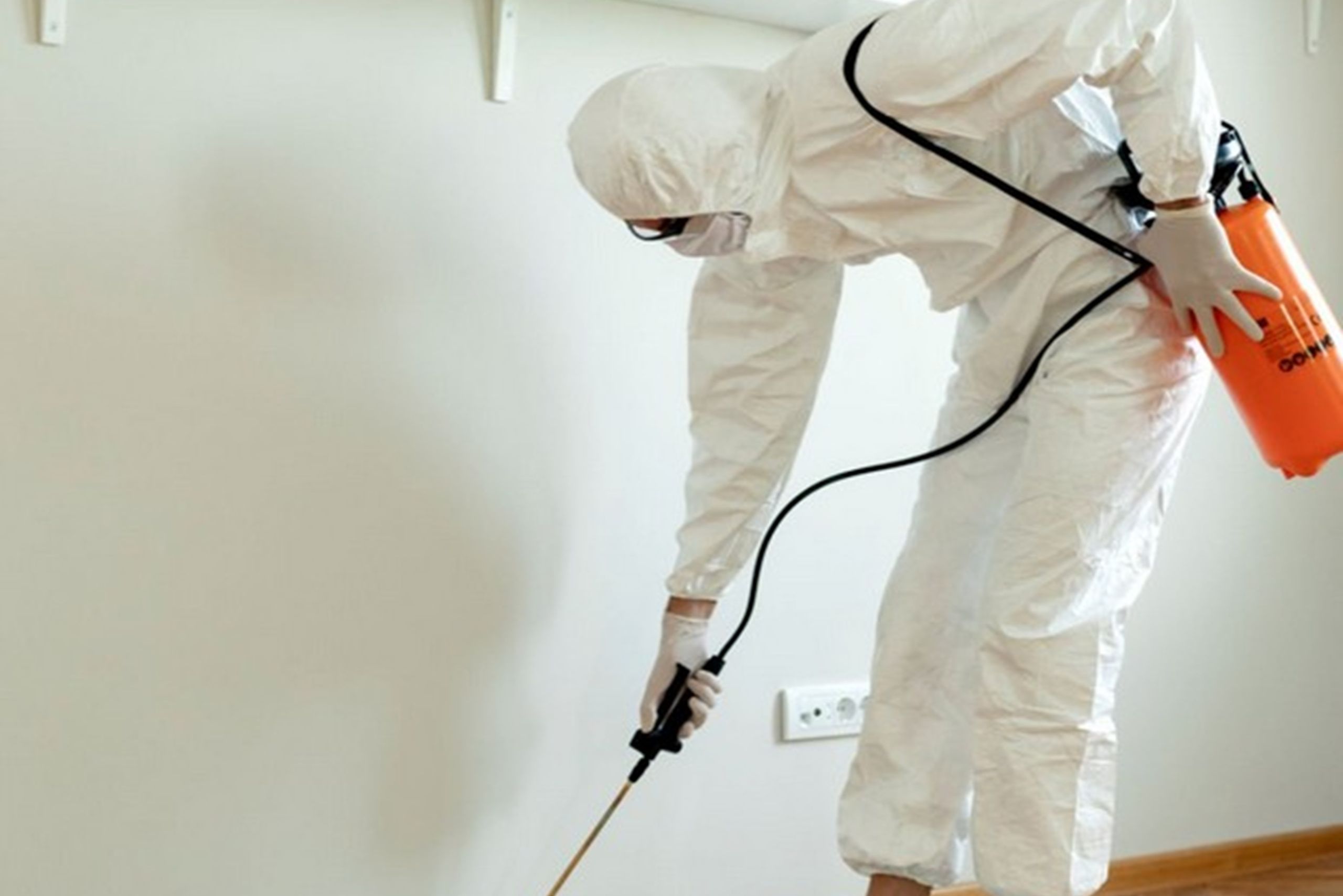
While preventive measures reduce pest pressure, most Texas commercial properties benefit from professional pest management partnerships.
Signs You Need Immediate Professional Intervention
- Live pest sightings during business hours: Indicates established populations
- Pest droppings or shed skins: Confirms active infestation requiring treatment
- Structural damage: Gnaw marks, wood damage, or compromised materials
- Customer complaints: Reputation damage requires swift resolution
- Health inspection violations: Regulatory compliance issues mandate professional documentation
- Recurring infestations: Indicates underlying structural or procedural vulnerabilities
Selecting a Commercial Pest Management Provider
Essential Qualifications:
- Texas Department of Agriculture structural pest control license verification
- Commercial-specific experience in your industry sector
- Integrated pest management certification and approach
- Comprehensive service agreements detailing treatment frequency and scope
- Digital reporting platforms for documentation and compliance
- Emergency response protocols for urgent situations
Service Components to Expect:
- Initial comprehensive facility inspection with written report
- Customized treatment plan addressing identified pest pressures
- Regular scheduled service visits (typically monthly for most commercial properties)
- Detailed service reports documenting findings, treatments, and recommendations
- Employee training on pest awareness and prevention protocols
- Regulatory compliance documentation for health department inspections
Industry-Specific Pest Challenges in Texas
Different commercial sectors face unique pest management requirements based on operational characteristics and regulatory standards.
| Industry Sector | Primary Pest Concerns | Regulatory Standards | Critical Prevention Focus |
| Food Service/Restaurants | Cockroaches, rodents, flies | Health Department inspections, FDA Food Code | Sanitation protocols, grease management, receiving procedures |
| Healthcare Facilities | Bed bugs, cockroaches, ants | Joint Commission standards, infection control | Patient safety, pesticide restrictions, sensitive area protocols |
| Warehousing/Distribution | Rodents, stored product pests, birds | Customer audit requirements, FSMA compliance | Receiving inspections, exclusion, fumigation capabilities |
| Hotels/Hospitality | Bed bugs, cockroaches, rodents | Guest satisfaction, online reviews | Inspection protocols, quick response, discreet treatment |
| Office Buildings | Ants, spiders, occasional invaders | Tenant satisfaction, building codes | Common area maintenance, landscaping, trash management |
| Retail/Grocery | Flies, rodents, stored product pests | Health inspections, liability concerns | Stock rotation, damaged goods protocols, parking lot maintenance |
The True Cost of Pest Infestations in Commercial Settings
Beyond the immediate discomfort of pest presence, infestations carry significant financial and reputational consequences.
Direct Financial Impacts
- Product contamination and loss: Destroyed inventory, recalled products, wasted raw materials
- Structural repairs: Termite damage, rodent-compromised wiring, water damage from pest-related leaks
- Treatment costs: Emergency service fees, intensive remediation, extended closure requirements
- Equipment replacement: Damaged HVAC systems, electrical components, insulation
Indirect Business Consequences
- Health code violations: Fines ranging from hundreds to thousands of dollars per violation
- Temporary closures: Lost revenue during mandatory remediation periods
- Legal liability: Lawsuits from customers or employees exposed to pest-related hazards
- Reputation damage: Negative online reviews, social media exposure, lost customer trust
- Insurance implications: Increased premiums or coverage limitations following claims
- Employee morale: Staff dissatisfaction in pest-affected work environments
Frequently Asked Questions (FAQ)
Q: How often should Texas commercial buildings receive professional pest control services?
A: Most Texas commercial properties require monthly pest control service due to year-round pest activity in the state’s warm climate, with high-risk facilities like restaurants and food processing requiring more frequent weekly or bi-weekly service.
Q: Are pest control treatments safe for employees and customers?
A: Licensed pest control professionals use EPA-registered products applied according to label instructions, typically scheduling treatments during off-hours and using low-toxicity formulations, gel baits, and mechanical controls that minimize human exposure while effectively managing pests.
Q: What is the difference between commercial and residential pest control?
A: Commercial pest control requires specialized licensing, addresses larger-scale infestations, follows industry-specific regulations, provides detailed documentation for compliance, and typically uses integrated pest management approaches rather than relying solely on chemical treatments.
Q: Can I handle commercial pest control with in-house staff instead of hiring professionals?
A: While basic sanitation and exclusion can be handled internally, Texas law requires licensed professionals for pesticide applications in commercial settings, and most businesses benefit from professional expertise in inspection, identification, treatment selection, and regulatory compliance documentation.
Q: How quickly can a pest infestation develop in a commercial building?
A: Cockroaches can establish breeding populations within 30 days, rodents can colonize buildings within weeks if entry points exist, and termites may cause detectable damage within 6-12 months, making regular inspections and preventive measures critical for early detection.
Protect Your Texas Commercial Property with Professional Pest Management
Effective pest control for Texas commercial buildings requires more than occasional treatments—it demands comprehensive prevention strategies, regular monitoring, and rapid response capabilities. The combination of Texas’s favorable pest climate and the operational complexities of commercial properties creates persistent challenges that threaten your business operations, regulatory compliance, and professional reputation.
Take Action Today
Don’t wait for visible infestations, customer complaints, or health inspection violations to address your commercial pest management needs. Partner with experienced pest control professionals who understand Texas-specific pest pressures and your industry’s unique requirements.
Schedule your comprehensive commercial pest inspection to identify vulnerabilities, assess current pest activity, and develop a customized integrated pest management plan that protects your property, employees, and customers year-round. Contact our licensed commercial pest management team to discuss service options tailored to your facility’s specific needs and ensure your business maintains the pest-free environment your success demands.