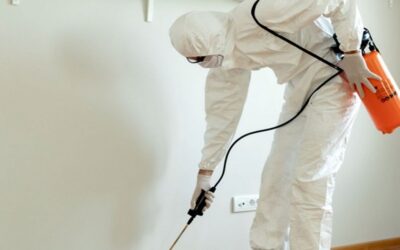

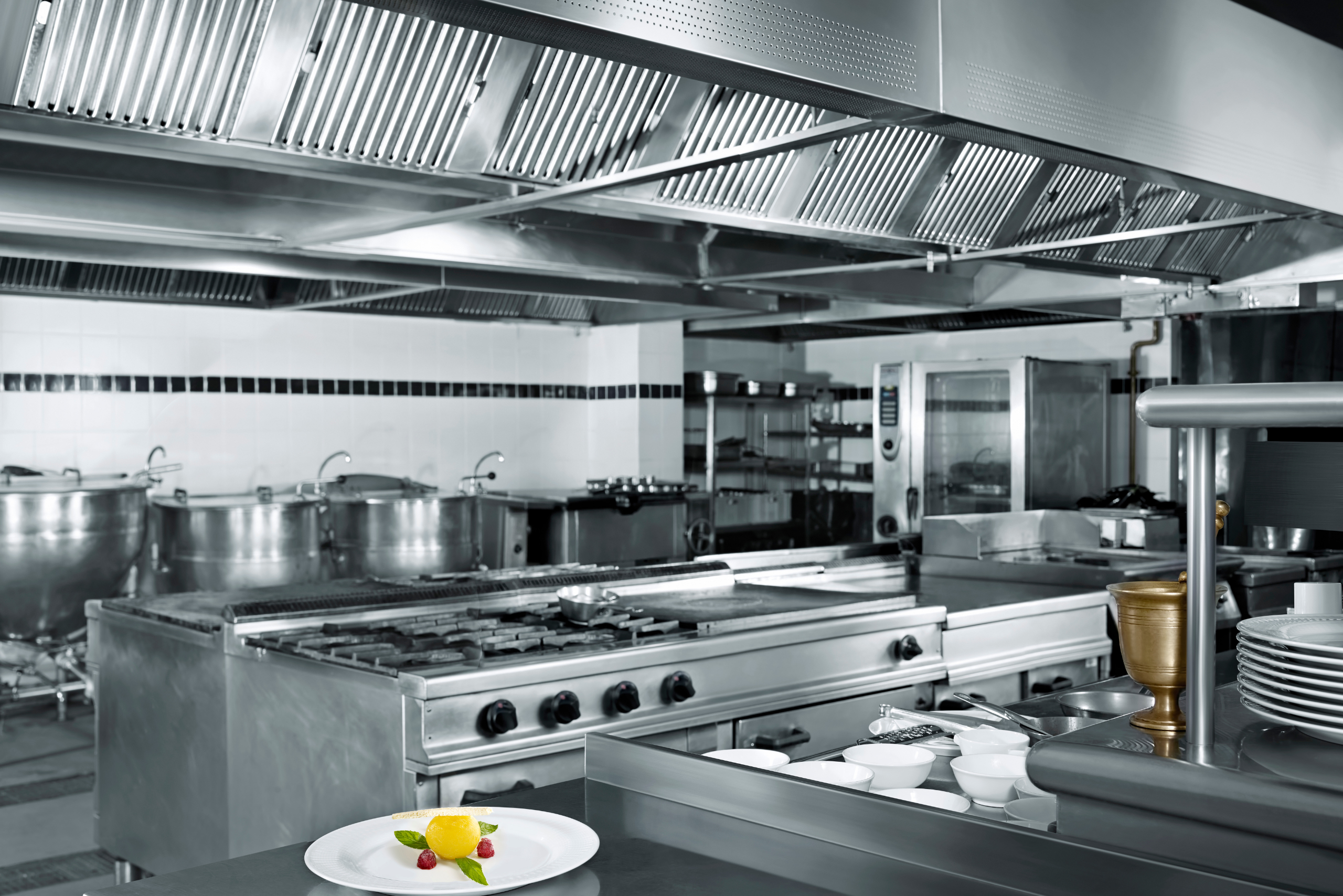
Running a restaurant or food facility demands an unwavering commitment to safety, sanitation, and customer satisfaction. Commercial pest control services play a critical role in protecting the integrity of food operations, ensuring compliance with regulations, and safeguarding the reputation of the business. In an industry where a single pest sighting can lead to severe consequences, partnering with a professional pest management provider is not optional—it is essential.
The High-Stakes Nature of Pest Control in Food Service Environments
Food establishments face unique challenges that make them prime targets for pests. The constant availability of food, moisture, and shelter creates an ideal environment for infestations. Rodents, cockroaches, flies, stored-product pests, and ants are among the most common threats that must be addressed proactively. We understand that even the most minor pest issue can quickly escalate, leading to contamination, financial loss, and operational shutdowns.
Professional commercial pest control services deliver the expertise and precision required to eliminate risks and maintain a safe, hygienic environment.
The Importance of Maintaining Food Safety Standards
Food safety is the cornerstone of every successful restaurant and food facility. Compliance with health department regulations, industry safety audits, and government standards requires strict pest control protocols. When pests infiltrate food storage, preparation, or dining areas, they bring dangerous pathogens including E. coli, Salmonella, and Listeria.
Commercial pest control services ensure that all areas of operation—from kitchens to food storage zones—remain clean, protected, and compliant with local and federal guidelines. Failing an inspection due to pest activity can result in fines, negative publicity, and temporary or permanent closure. Comprehensive pest management is an investment in long-term stability and public trust.
How Pests Threaten Inventory, Revenue, and Reputation
Pests cause damage that extends far beyond what customers can see. Rodents gnaw through packaging and contaminate dry goods. Cockroaches multiply rapidly inside hidden cracks, leaving behind allergens and bacteria. Flies spread germs every time they land on food surfaces. These threats can destroy inventory, disrupt operations, and lead to significant financial losses.
Worse, a single pest-related complaint online can severely damage a restaurant’s reputation. Customers expect dining establishments to be spotless. With social media and review platforms influencing consumer choices more than ever, business owners must take proactive measures to prevent any pest-related incidents.
Why Professional Pest Management Outperforms DIY Solutions
Many restaurant owners attempt to handle pest issues internally, but DIY methods are rarely effective in commercial settings. Food facilities require strategic, targeted treatments designed specifically for high-traffic, high-risk environments.
Professional commercial pest control services offer advantages including:
- Advanced detection tools to identify pest entry points and hidden infestations
- Customized treatment plans tailored to the unique needs of each facility
- Industry-approved products that are safe for food environments
- Preventive monitoring systems to stop infestations before they develop
- Trained technicians skilled in handling sensitive food service areas
DIY solutions often mask symptoms rather than solving underlying causes. Professional intervention ensures long-term protection and compliance.
Integrated Pest Management: The Gold Standard for Food Facilities
Integrated Pest Management (IPM) is the most effective approach to maintaining pest-free operations. This comprehensive method focuses on sustainable solutions, preventive measures, and intelligent monitoring strategies.
IPM includes:
- Routine inspections to assess potential risks
- Sanitation and structural corrections to eliminate pest attractants
- Targeted treatments that minimize chemical exposure while maximizing results
- Non-toxic solutions such as traps, barriers, and exclusion methods
- Long-term monitoring to maintain consistent pest-free conditions
Food facilities benefit enormously from IPM because it supports regulatory compliance and keeps pests from gaining any foothold within the property.
Key Areas of Vulnerability in Restaurants and Food Facilities
Understanding where pests are most likely to infiltrate helps business owners maintain a proactive posture. Critical areas include:
1. Food Storage Rooms
Dry goods, grains, packaged foods, and refrigerated inventory attract rodents and stored-product pests. Without proper sealing, labeling, and monitoring, these areas are at high risk for contamination.
2. Kitchens and Prep Stations
Grease, food scraps, moisture, and heat combine to create the perfect breeding environment for cockroaches and ants. Commercial kitchens must remain spotless and regularly inspected for early warning signs.
3. Waste Disposal Areas
Trash bins, dumpsters, and grease traps draw flies, rodents, and scavenger pests. Proper waste management is essential to maintaining a pest-free perimeter.
4. Restrooms and Utility Closets
Moisture-rich areas are attractive to pests that thrive in damp environments. These hidden spaces must be included in all treatment plans.
5. Dining Areas
Spills, crumbs, and customer traffic increase the likelihood of pest exposure. Regular cleaning and monitoring help ensure a positive dining experience.
Preventing Pest Infestations Through Smart Facility Practices
Commercial pest prevention requires disciplined sanitation routines, structural maintenance, and regular professional oversight. Facility owners must:
- Keep food sealed in airtight containers
- Clean spills immediately and sanitize surfaces
- Maintain proper waste disposal procedures
- Seal cracks, gaps, and entry points
- Store food off the floor and away from walls
- Ensure HVAC systems and drains remain clean and functional
When combined with expert commercial pest control services, these practices build a strong defense against infestations.
The Long-Term Value of Routine Pest Control for Food Businesses
Routine pest control is not an expense—it is a proactive investment in operational stability, customer satisfaction, and brand protection. Consistent service guarantees:
- Minimal risk of infestations
- Reduced downtime due to sanitation concerns
- Improved compliance during health inspections
- Better overall cleanliness
- Long-term cost savings from preventing major pest issues
Reliable pest control services allow food facilities to run smoothly, avoid surprises, and maintain a spotless reputation.
Partnering with Trusted Commercial Pest Control Experts
Choosing the right pest control provider is essential for ensuring long-term protection. Experienced professionals understand the unique demands of food environments and offer comprehensive programs specifically tailored for restaurants and food processing facilities.
With the right partner, food businesses can maintain a safe, clean, and compliant environment every day. Effective pest management protects customers, employees, inventory, and the reputation of the brand.